Contribution Opportunities at the SBME Department

Faculty of Engineering, Cairo University

An opportunity to strengthen teaching and research in Systems & Biomedical Engineering. Each item equips the courses, labs, and graduation projects that train our students.

Our department's annual funding reaches a few million EGP from various sources, such as research grants, graduation-project grants, and faculty funding. Our ambition to achieve the highest quality of teaching is limitless, and meeting it requires additional sources of funding. We always welcome contributions from the department's friends, who can either donate desired items or help bring already-funded items from abroad that are not available in Egypt. Contributors receive annual reports on how donated items are employed in teaching and research, with scoped access to our asset-management system.

Funded: a friend abroad buys & carries it in; the department reimburses.

To donate: buy it and give it to the department. Used items welcome.

Fulfilled: already covered — thank you.

We do not accept cash donations.

Want to chip in partially? Contact us to coordinate with others.

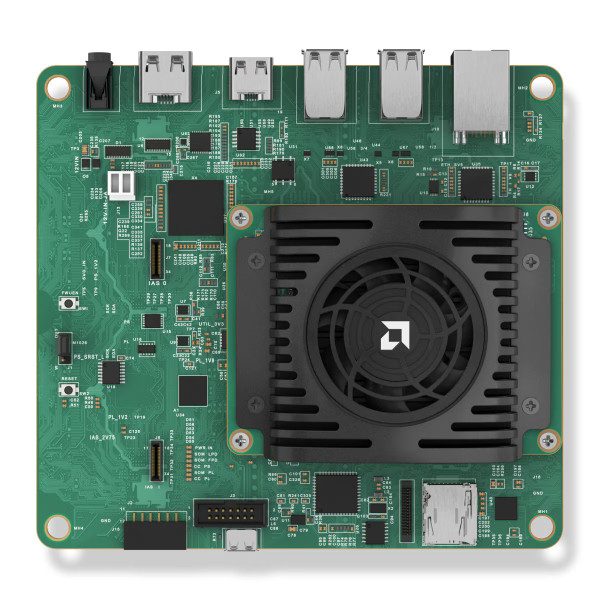
Kria KV260 Vision AI Starter Kit

Kria KV260 Vision AI Starter Kit

Development Board

It is insufficient to teach our students only theoretical AI, or AI applications that are only developed and tested on powerful workstations. We are eager to enrich our students' background with the engineering principles of deploying ML on power-efficient, resource-constrained devices, such as this board. These boards will be employed in Embedded Systems and Biomedical Edge AI courses, among others, in addition to relevant graduation projects.

The Kria KV260 is a vision-AI starter kit (AMD K26 SOM) for real-time computer vision and edge inference.

Learn more: AMD Kria KV260 Vision AI Kit · Kria apps documentation
MikroTik CRS312-4C+8XG-RM

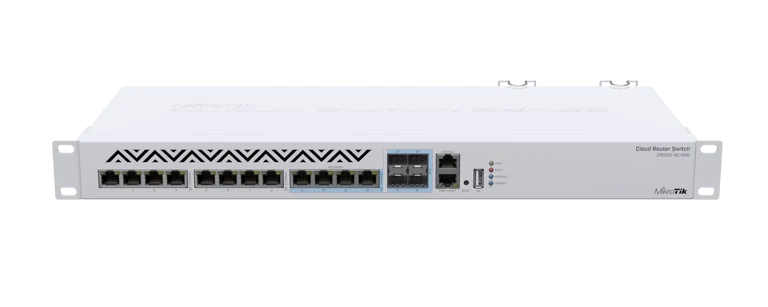
MikroTik CRS312-4C+8XG-RM

Network Switch

This year our new cluster supports up to 40 students and researchers. In 2027, we aim to phase in a new cluster that can serve up to 120 students, which requires adding more compute capacity. We chose this model as it will contribute significantly to this capacity.

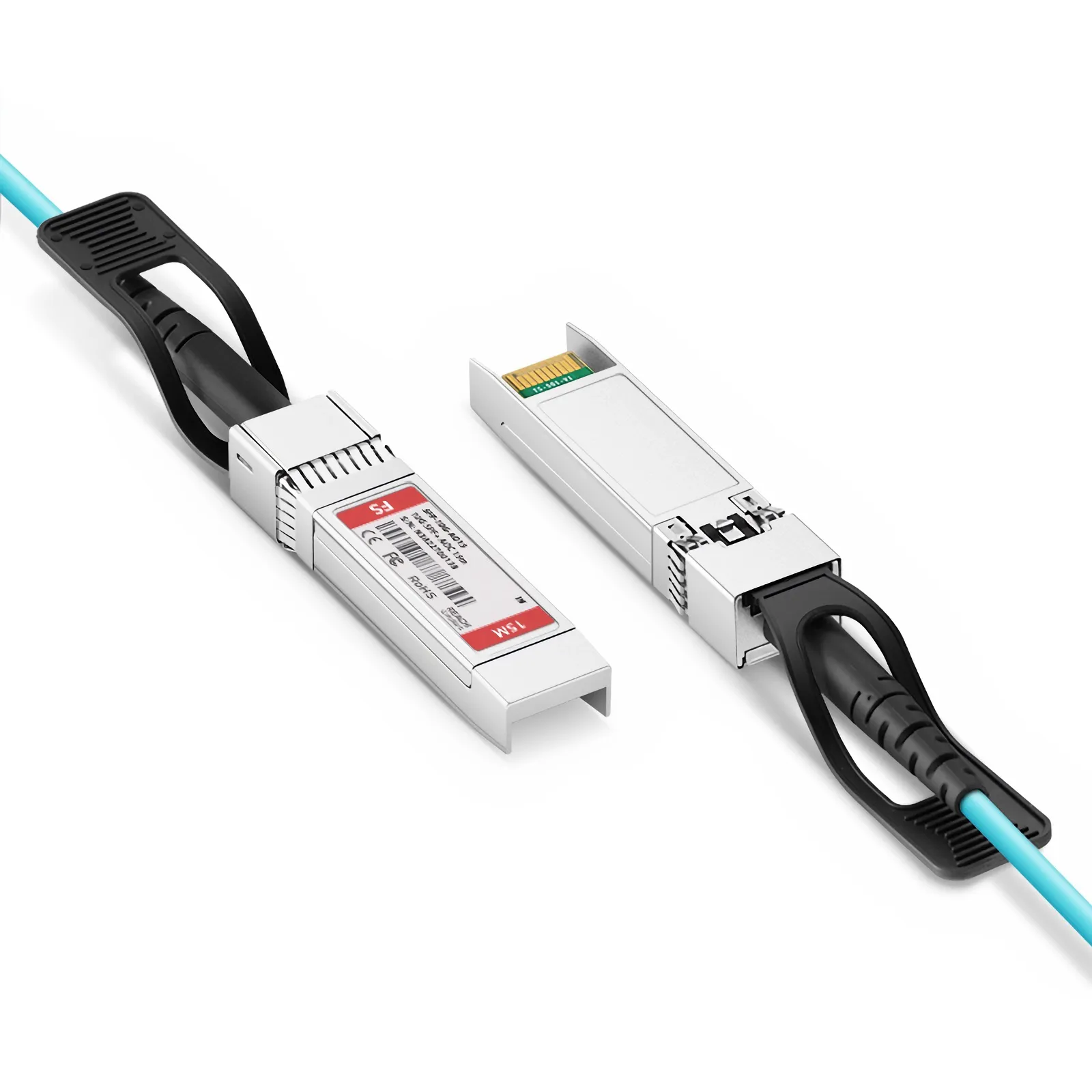
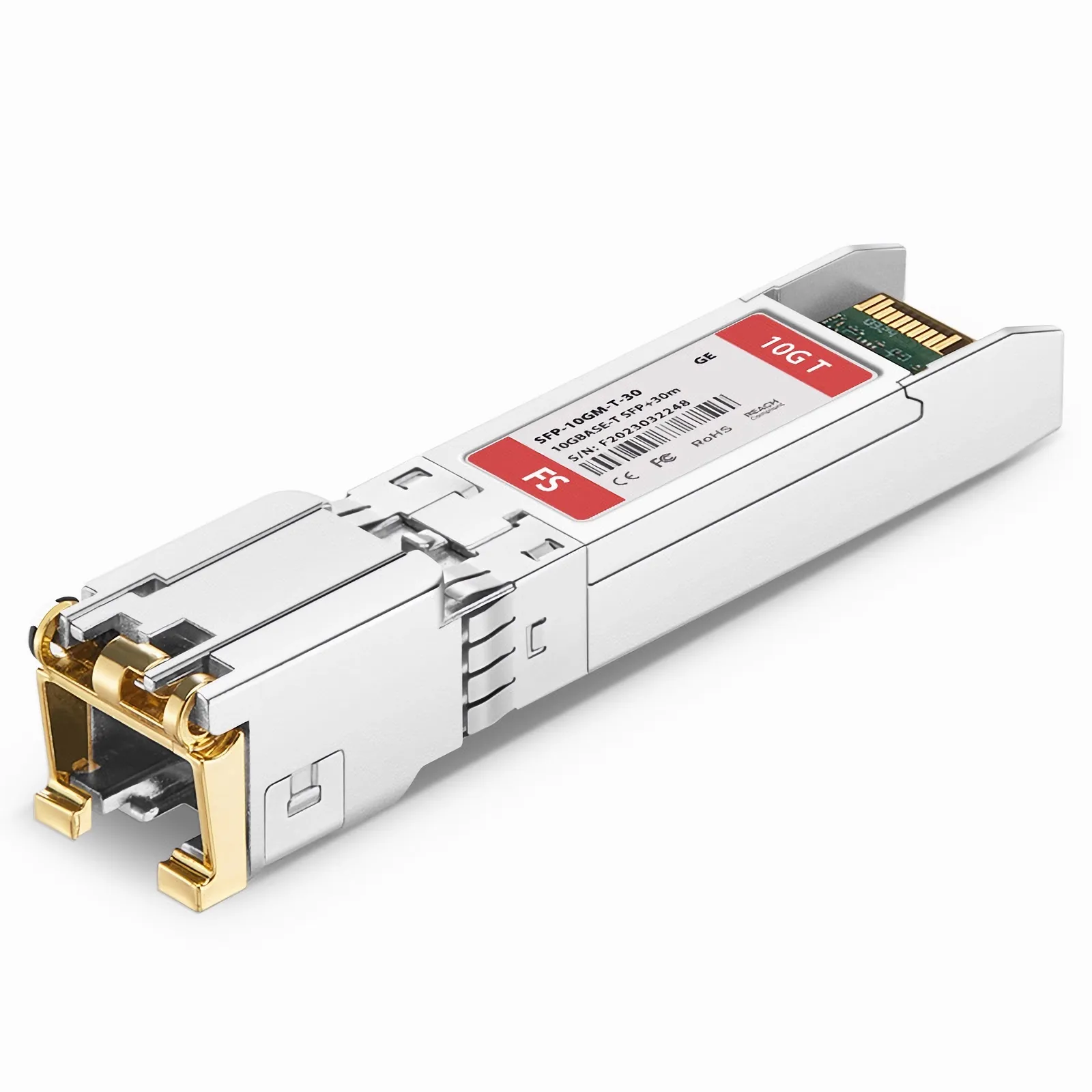
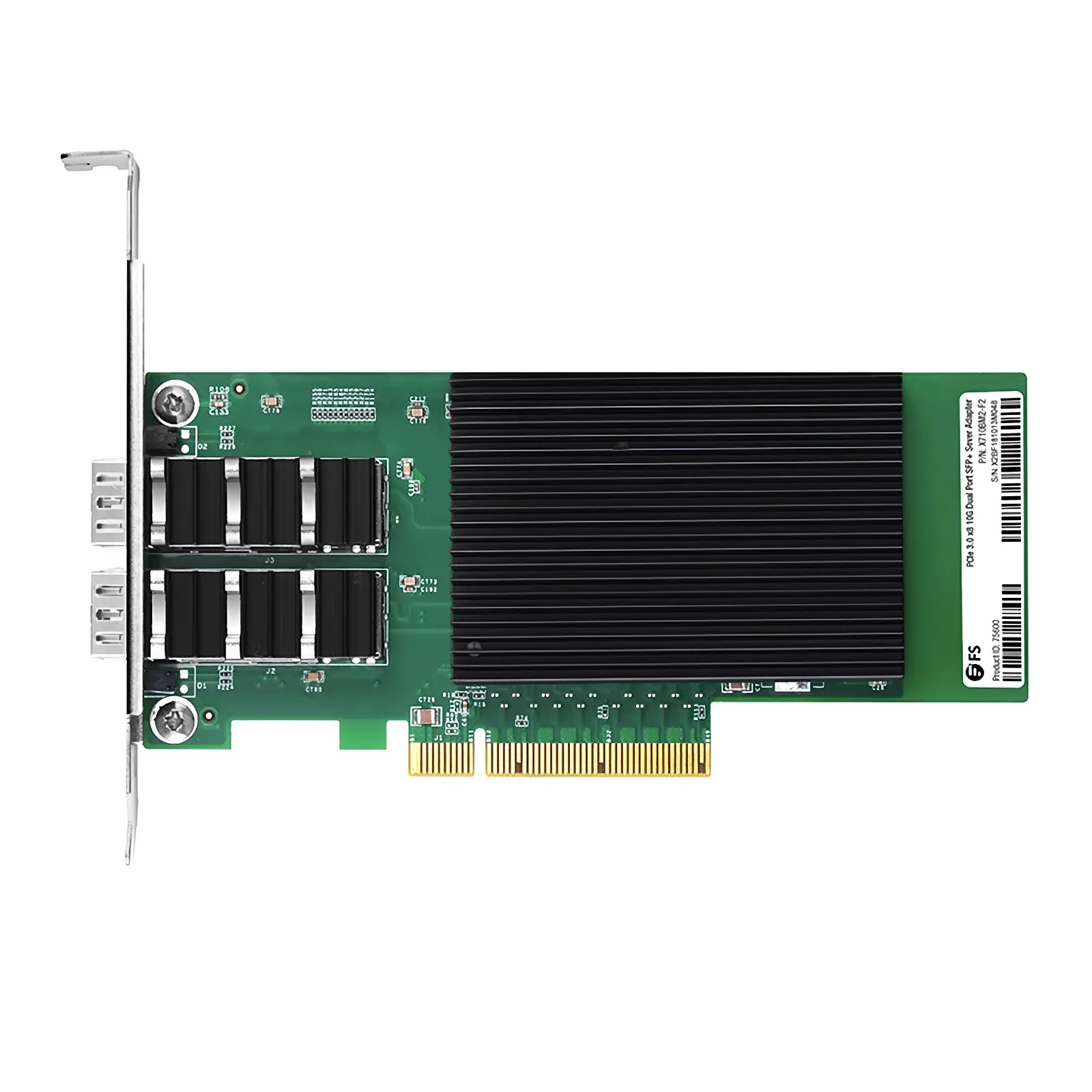
The new cluster enriches node connectivity with an average of 5 Gbps bandwidth for cluster nodes and 20 Gbps bandwidth for data-serving nodes.
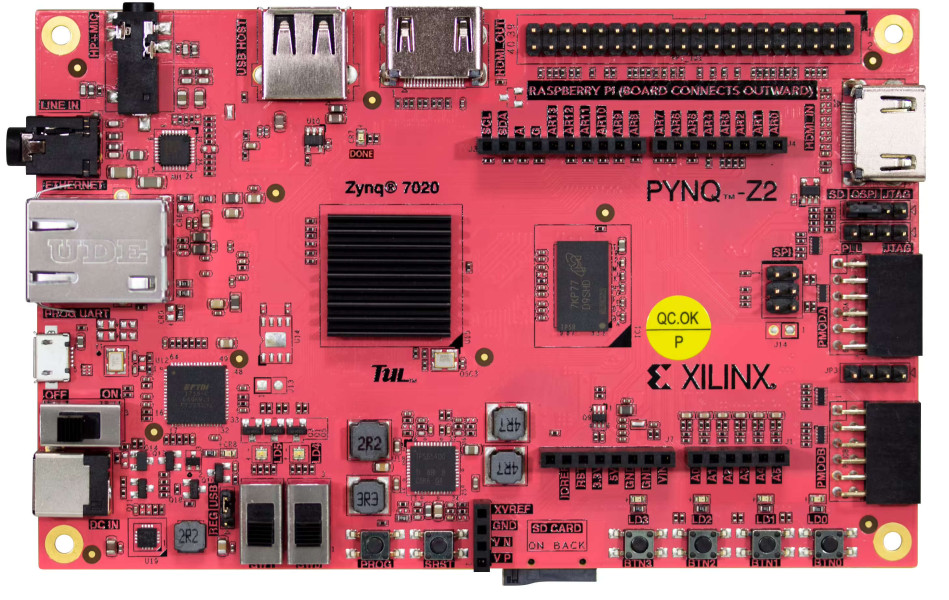
PYNQ-Z2

PYNQ-Z2

Development Board

It is insufficient to teach our students only theoretical AI, or AI applications that are only developed and tested on powerful workstations. We are eager to enrich our students' background with the engineering principles of deploying ML on power-efficient, resource-constrained devices, such as this board. These boards will be employed in Embedded Systems and Biomedical Edge AI courses, among others, in addition to relevant graduation projects.

The PYNQ-Z2 pairs a Xilinx Zynq-7000 FPGA with Python (PYNQ), so students go from notebook to programmable silicon.

Learn more: PYNQ project · PYNQ documentation · TUL PYNQ-Z2 board
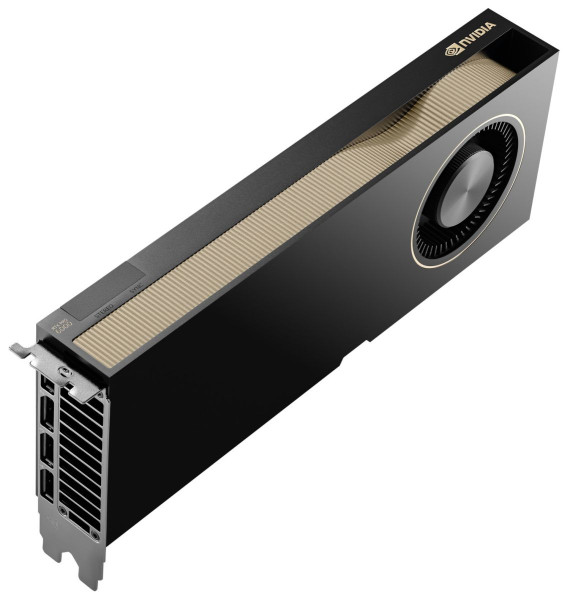
RTX PRO 6000 Blackwell Max-Q

RTX PRO 6000 Blackwell Max-Q

GPU

This year our new cluster supports up to 40 students and researchers. In 2027, we aim to phase in a new cluster that can serve up to 120 students, which requires adding more compute capacity. We chose this model as it will contribute significantly to this capacity.